 Home Designing Get expert home decor tips and design inspiration at HomeDesigning.blog. Transform your living spaces with trending styles and DIY ideas!
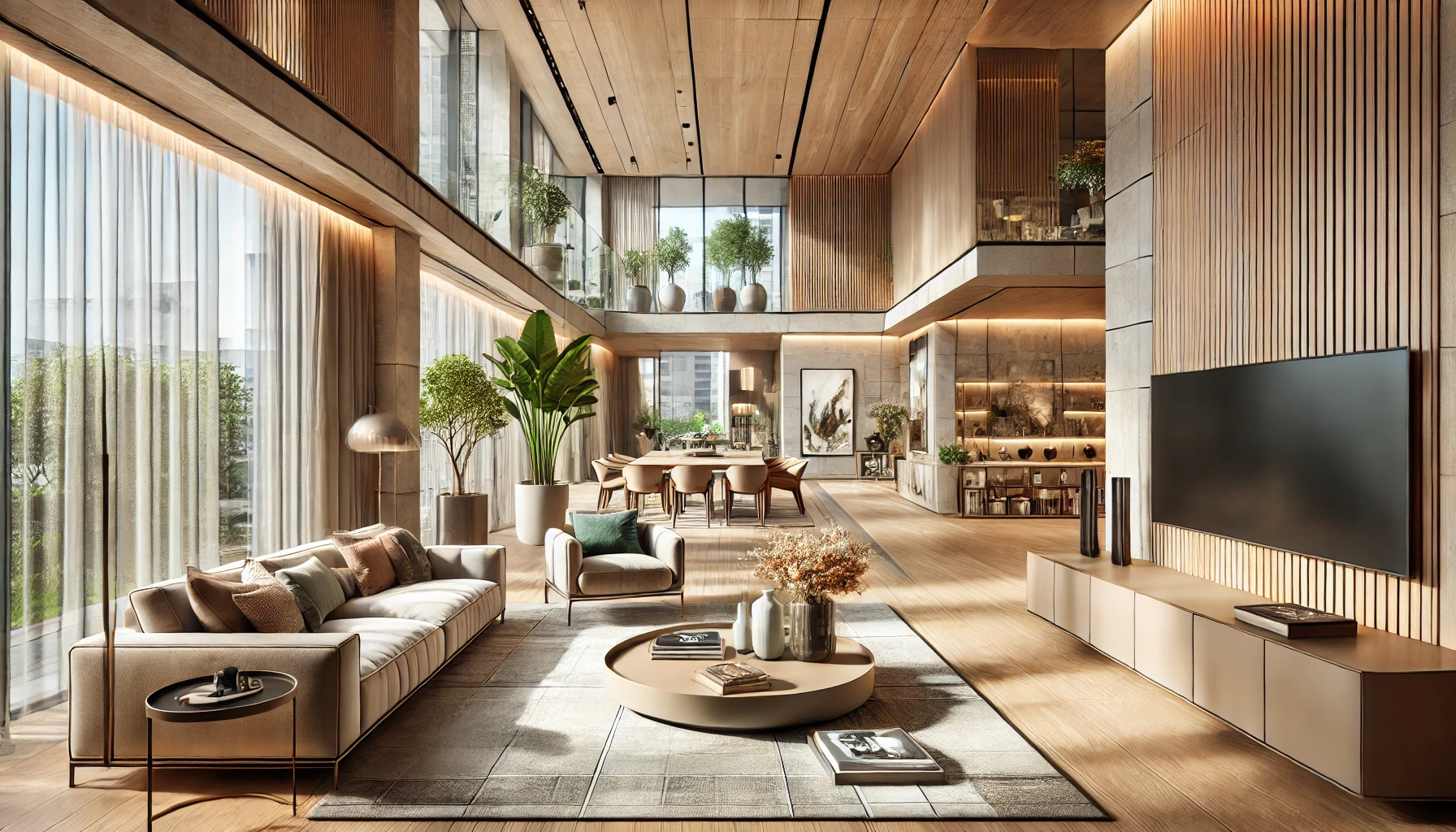
Welcome to the ultimate guide to modern home design trends! As a professional home designer, I understand the importance of keeping your home stylish and functional. In today’s fast-evolving world, home design is no longer just about aesthetics—it’s about creating spaces that reflect your lifestyle, values, and personality. Whether you’re looking to update a single room or transform your entire home, this guide will give you insights into the most popular design trends that are shaping the homes of tomorrow. From sustainable designs to smart home technology, these trends offer innovative ways to enhance both the look and feel of your living space. Let’s dive into the future of home design and see how these trends can inspire you to create the home of your dreams!
Modern home design trends
Embracing Open Spaces and Minimalism
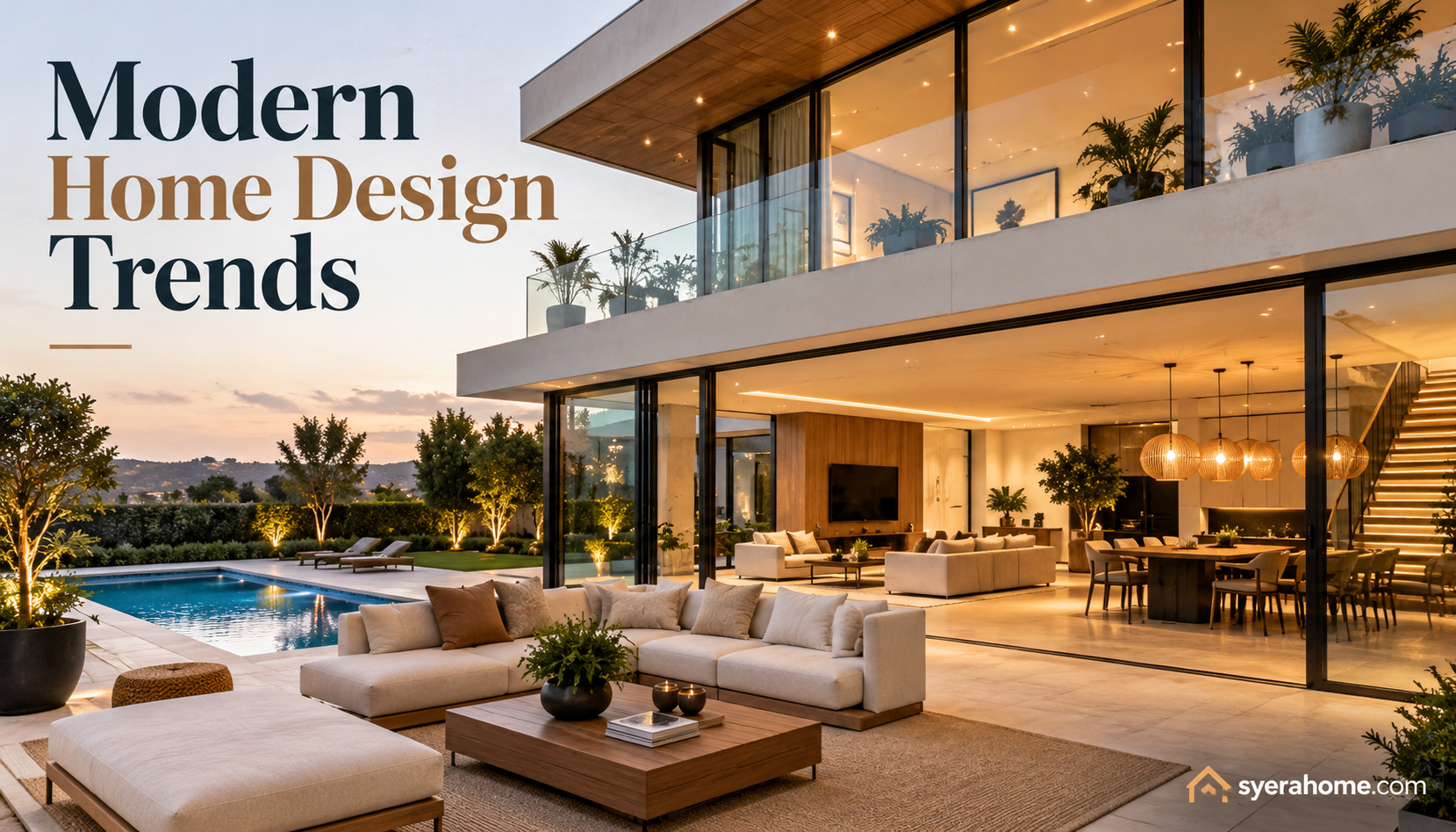
Modern home design is all about clean lines, open spaces, and a minimalist approach to decor. This trend emphasizes functionality while keeping the design uncluttered and sleek. Large windows, open floor plans, and natural light are key features in modern home design, helping to create a sense of space and airiness. By focusing on quality over quantity, modern homes feel more intentional and carefully curated.
Furniture in modern homes often follows a less-is-more approach, with pieces that are simple yet elegant. Think modular sofas, sleek dining tables, and minimalistic decor that adds to the room’s overall ambiance without overwhelming it. This trend allows homeowners to create a serene and uncluttered space that promotes relaxation and ease of living.
Incorporating Smart Technology
One of the key aspects of modern home design is the integration of smart technology. From voice-activated lighting systems to smart thermostats and security systems, technology is becoming an integral part of home design. Homeowners are increasingly looking for ways to make their living spaces more efficient, convenient, and secure through cutting-edge tech solutions.
Smart homes can be tailored to your specific needs, with devices that learn your preferences and adjust accordingly. This trend is not only about luxury but also about enhancing everyday living with the convenience and comfort that modern technology brings.
Sustainable home design trends
 Using Recycled and Eco-friendly Materials
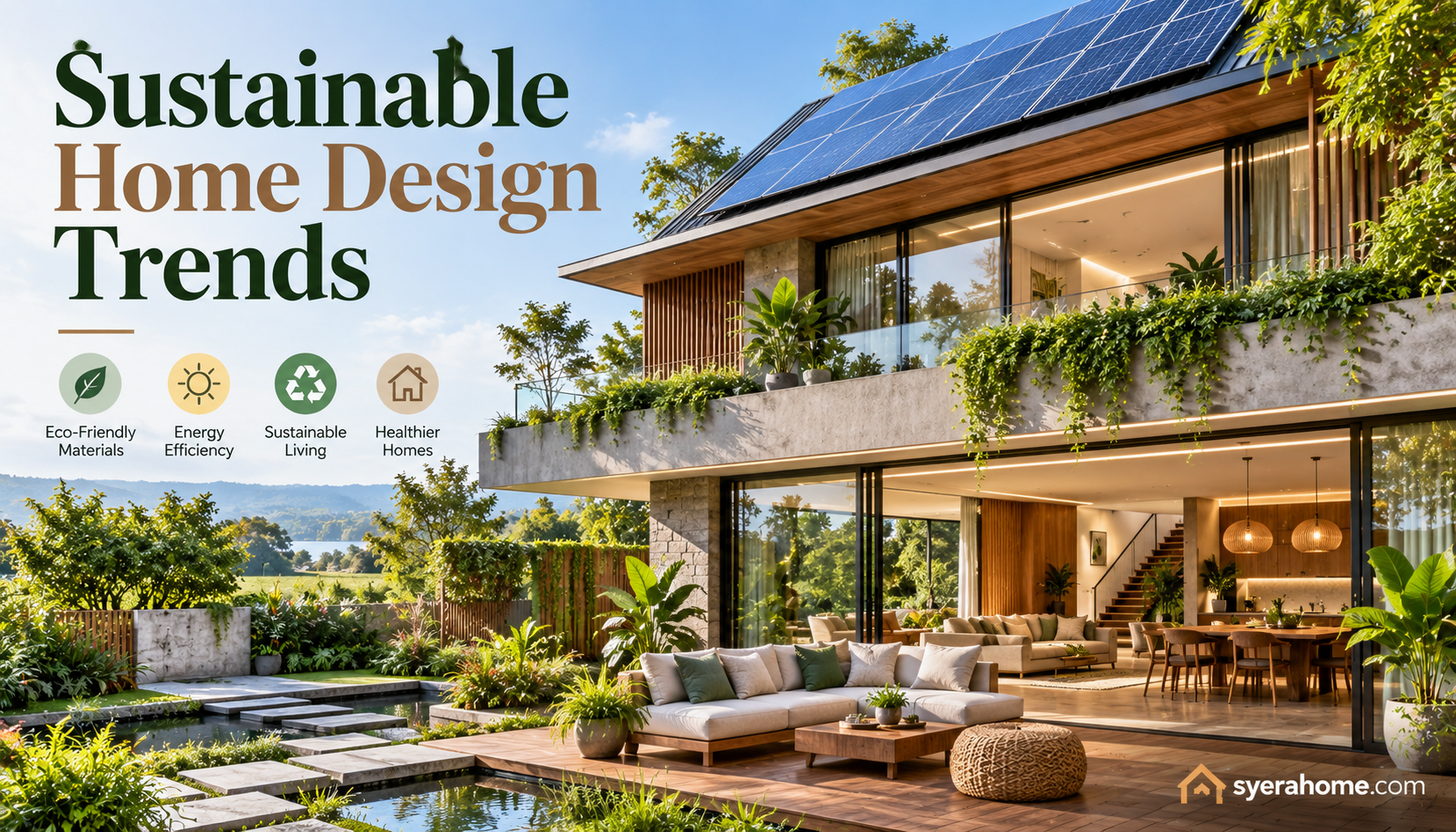
Sustainability is at the forefront of home design today, with more homeowners opting for eco-friendly and sustainable materials. Recycled wood, reclaimed bricks, and sustainable fabrics are becoming popular choices for furniture and decor. These materials not only reduce waste but also add a unique, rustic charm to your home.
Additionally, sustainable home design involves minimizing energy consumption. Solar panels, energy-efficient windows, and insulation are key components in making homes greener and more energy-efficient. This trend allows homeowners to reduce their environmental footprint while saving on utility costs.
Incorporating Green Spaces Indoors
Another trend in sustainable home design is the incorporation of green spaces indoors. Houseplants, vertical gardens, and green walls are being used to bring nature inside, creating a calming and refreshing environment. These green elements not only improve air quality but also enhance the aesthetic appeal of your living space.
Indoor greenery can be as simple as placing potted plants in your living room or as elaborate as installing a living wall. This trend fosters a connection with nature, promoting wellness and sustainability in the home environment.
Minimalist home design trends
 Focusing on Functionality and Simplicity
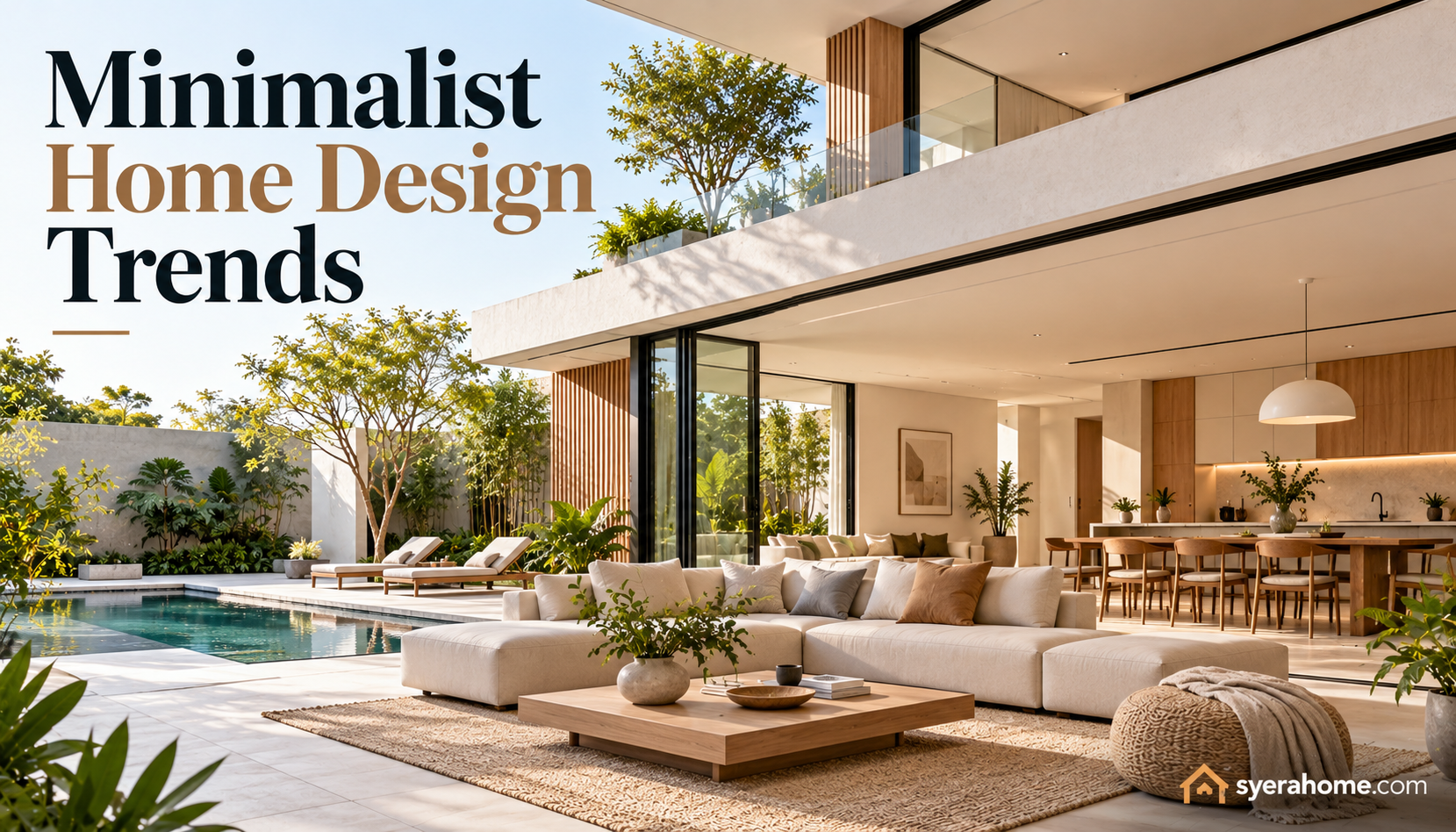
Minimalist home design emphasizes simplicity and functionality, with a focus on creating spaces that are both aesthetically pleasing and practical. The mantra of minimalism is “less is more,” with a preference for clean lines, neutral color palettes, and decluttered spaces. In a minimalist home, each item serves a purpose, ensuring that every piece of furniture or decor has a functional role.
Storage solutions play a crucial role in minimalist design, helping to keep the space free from unnecessary clutter. Built-in storage, multi-functional furniture, and hidden compartments are common features that ensure a streamlined, organized home.
Choosing Neutral Tones and Natural Materials
Neutral tones such as whites, grays, and beige are staples of minimalist design, creating a calm and serene atmosphere. These shades are often paired with natural materials like wood, stone, and cotton to add warmth and texture without compromising the minimalist aesthetic. The simplicity of the color palette allows for flexibility in adding subtle pops of color through art or accessories.
Natural light is also an important aspect of minimalist design, with large windows and open spaces that invite sunlight into the home. This creates an airy, light-filled environment that feels peaceful and uncluttered.
Luxury home design trends
 Incorporating High-end Materials
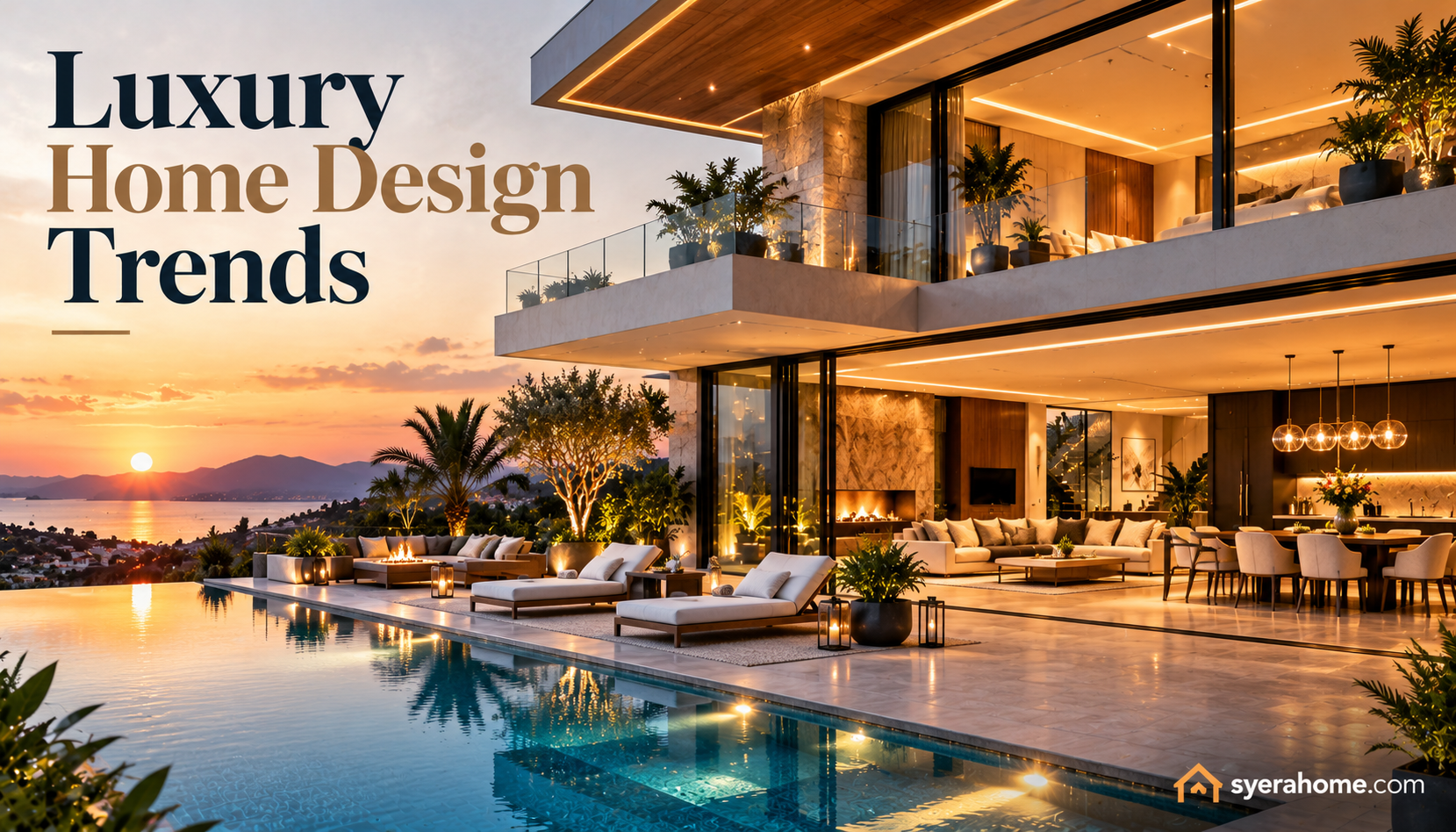
Luxury home design is all about indulgence and sophistication. High-end materials such as marble, velvet, and brass are making a comeback in luxury homes, adding a touch of opulence to the space. These materials are often used in statement pieces such as countertops, furniture, and lighting fixtures, creating a lavish and upscale environment.
The use of bespoke furniture is another key element of luxury design. Custom-made pieces that reflect the homeowner’s personal style offer an exclusive and tailored look that elevates the overall design. Luxury homes are designed with an attention to detail that ensures every element exudes elegance and refinement.
Creating Spa-like Bathrooms
Luxury home design is extending beyond living rooms and bedrooms to create spa-like bathrooms. High-end finishes such as marble floors, rain showers, and freestanding tubs are being incorporated to offer a luxurious, hotel-like experience at home. Large mirrors, ambient lighting, and underfloor heating add to the sense of indulgence and relaxation.
These spaces are designed to be not only functional but also a retreat from the everyday, allowing homeowners to unwind and enjoy a tranquil atmosphere in their own homes. The emphasis is on creating an oasis of calm that feels like a personal sanctuary.
Smart home design trends
 Integrating Voice-Activated Systems
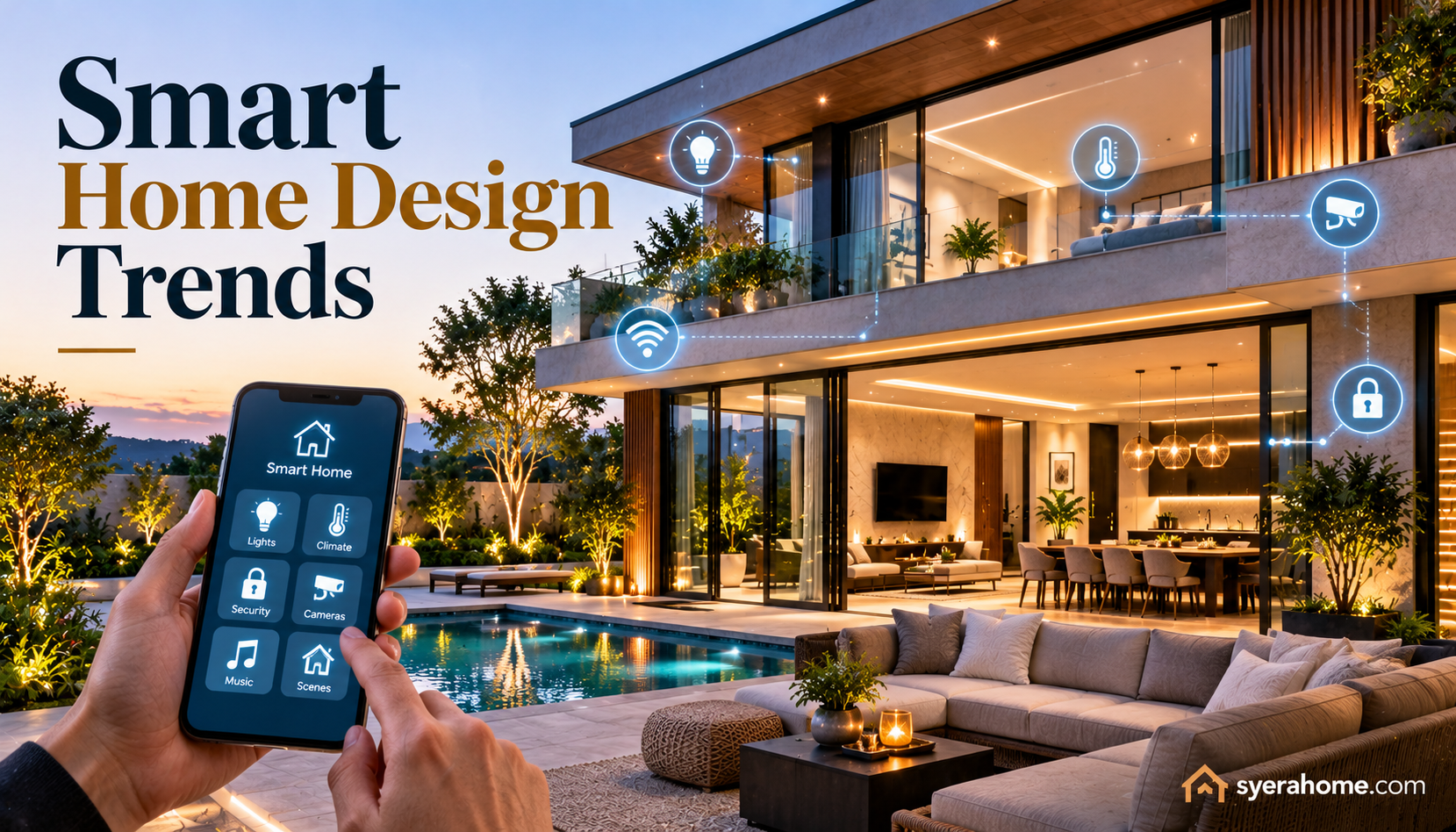
Smart home technology is becoming a must-have in modern homes. Voice-activated systems such as Amazon Alexa, Google Home, and Apple HomeKit allow homeowners to control everything from lighting to security with simple voice commands. This technology is making homes more efficient and user-friendly, offering convenience and comfort at the touch of a button.
These systems can be integrated into a variety of home functions, from controlling the thermostat to managing entertainment systems, making everyday living easier and more streamlined. The rise of smart home technology reflects the growing demand for homes that are not only beautiful but also intelligent and adaptive to the needs of the residents.
Enhancing Security with Smart Technology
Security is another area where smart technology is making significant advancements. Smart cameras, video doorbells, and automated locks allow homeowners to monitor and control access to their homes remotely. These systems offer peace of mind and greater control over home security, even when you’re away from home.
Incorporating smart technology into home design also adds to the property’s value, making it an attractive feature for potential buyers. With the ability to automate and control various aspects of the home, smart technology enhances both convenience and safety in a modern living space.
Contemporary home design trends
 Blending Indoor and Outdoor Spaces
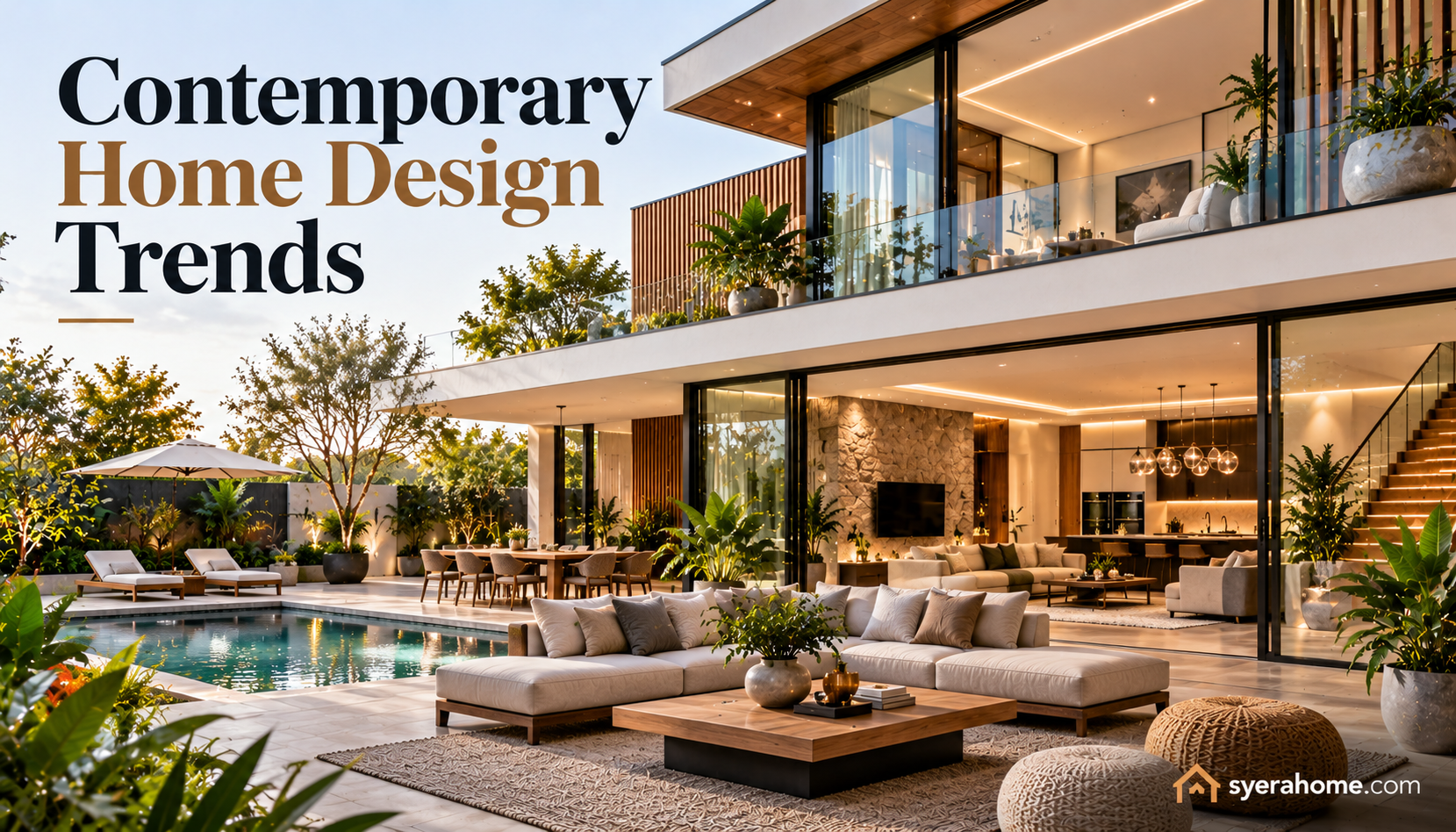
Contemporary home design is blurring the lines between indoor and outdoor spaces, creating a seamless flow that brings the outside in. Large glass doors, expansive windows, and open floor plans allow for unobstructed views of the outdoors, making the home feel more connected to nature. This trend is particularly popular in homes with patios, gardens, or outdoor living areas.
The use of natural materials such as wood, stone, and metal further enhances the connection to nature, creating a warm and inviting space that feels both modern and organic. The focus is on creating a fluid living environment where indoor and outdoor spaces complement each other.
Incorporating Bold Architectural Features
Contemporary home design often features bold architectural elements that make a statement. From cantilevered balconies to dramatic staircases and large overhangs, these features add a sense of drama and style to the home. The emphasis is on creating a visually striking space that pushes the boundaries of traditional home design.
Architectural features in contemporary design are often complemented by minimalist interiors that allow the structure itself to shine. This creates a balance between form and function, ensuring that the home is not only aesthetically pleasing but also highly functional.
Home interior design trends
 Using Bold Colors and Patterns
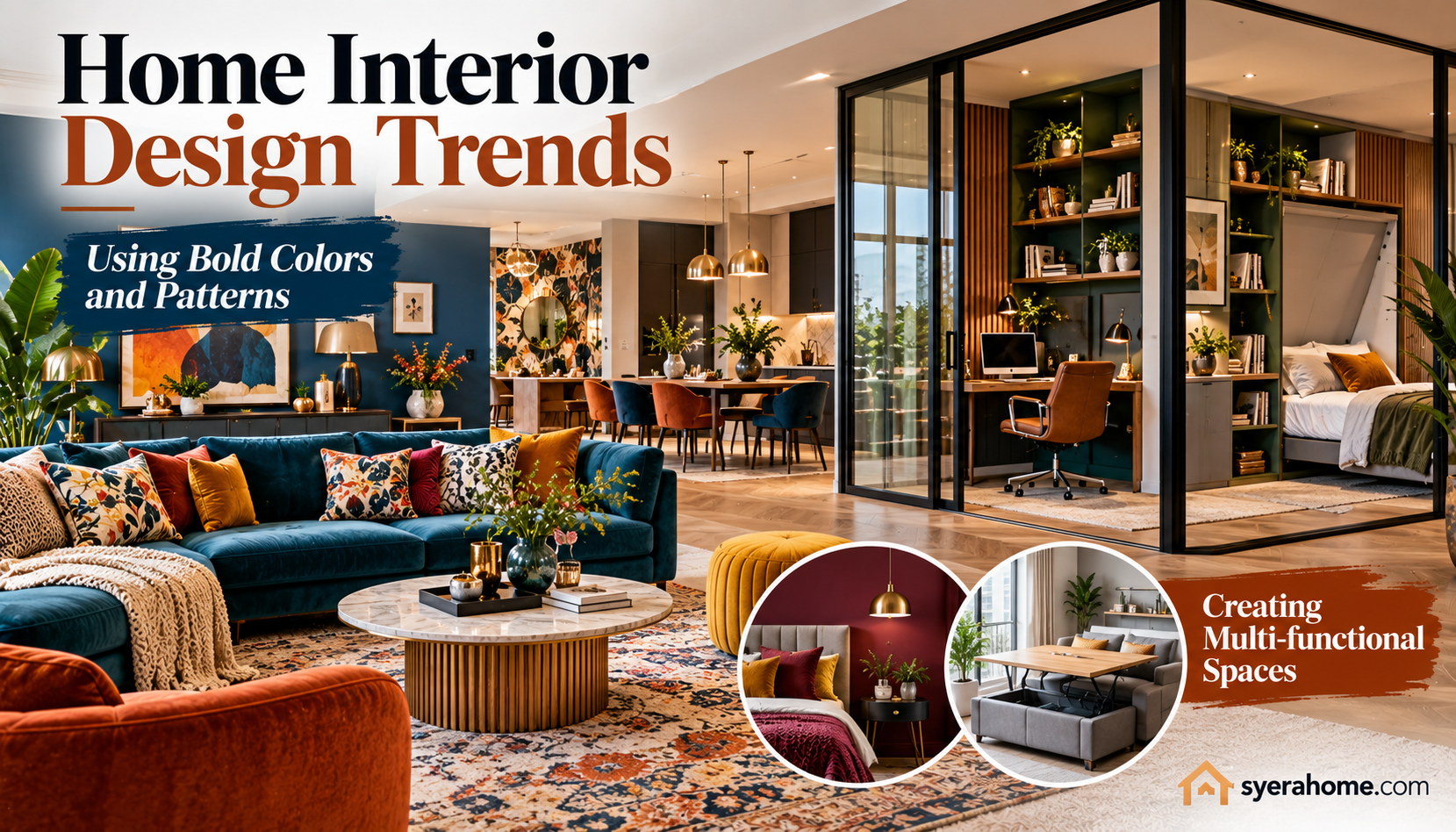
Home interiors are moving away from neutral tones in favor of bold colors and patterns. Statement walls, vibrant artwork, and patterned textiles are being used to add personality and character to living spaces. This trend encourages homeowners to experiment with color and design, creating rooms that reflect their personal style.
Bold colors such as deep blues, emerald greens, and rich burgundies are becoming popular choices for accent walls, while geometric patterns and floral prints add a touch of whimsy to the decor. The result is a dynamic and vibrant living space that feels personalized and unique.
Creating Multi-functional Spaces
As homes evolve, so does the need for multi-functional spaces. Open-plan living areas, combined home offices, and flexible layouts are becoming more popular as homeowners look for ways to maximize space and functionality. This trend is particularly relevant in smaller homes or urban apartments where space is at a premium.
Furniture that can serve multiple purposes, such as fold-out beds, modular seating, and convertible dining tables, is key to creating a functional and adaptable home. This approach allows homeowners to create versatile spaces that can easily accommodate different activities and needs.
Open floor plan home design trends
 Maximizing Space with Open Layouts
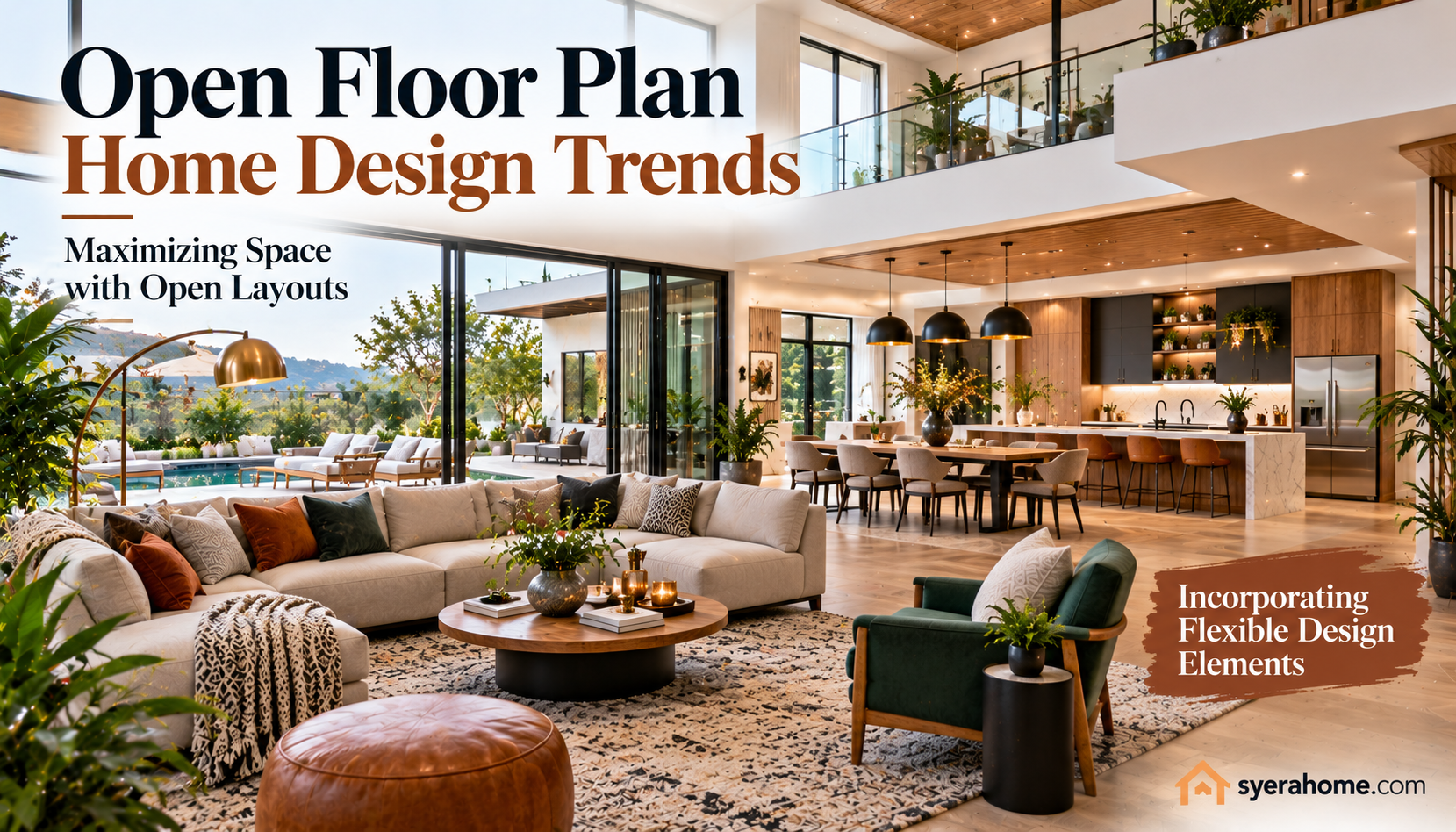
Open floor plans continue to be a popular choice for homeowners looking to create a spacious, airy living environment. By removing walls and barriers between rooms, open layouts allow for a seamless flow of space, making the home feel larger and more connected. This trend is especially popular in kitchens, dining rooms, and living areas, where open spaces encourage social interaction and easier movement.
One of the key benefits of an open floor plan is the flexibility it offers. Furniture can be arranged to suit different needs and preferences, making it easy to adapt the space for entertaining, family gatherings, or simply relaxing. This trend is all about creating a home that feels open, inviting, and versatile.
Incorporating Flexible Design Elements
Open floor plans often require flexible design elements that can define different areas of the home without closing off the space. This can be achieved through the use of area rugs, furniture placement, and lighting to create distinct zones within the open layout. For example, a large sectional sofa can separate the living area from the dining space, while pendant lights can define the kitchen island.
This approach allows homeowners to enjoy the benefits of an open layout while still maintaining a sense of structure and organization. By using flexible design elements, open floor plans can feel both spacious and cohesive.
Color trends in home design
 Embracing Earth Tones and Nature-Inspired Palettes
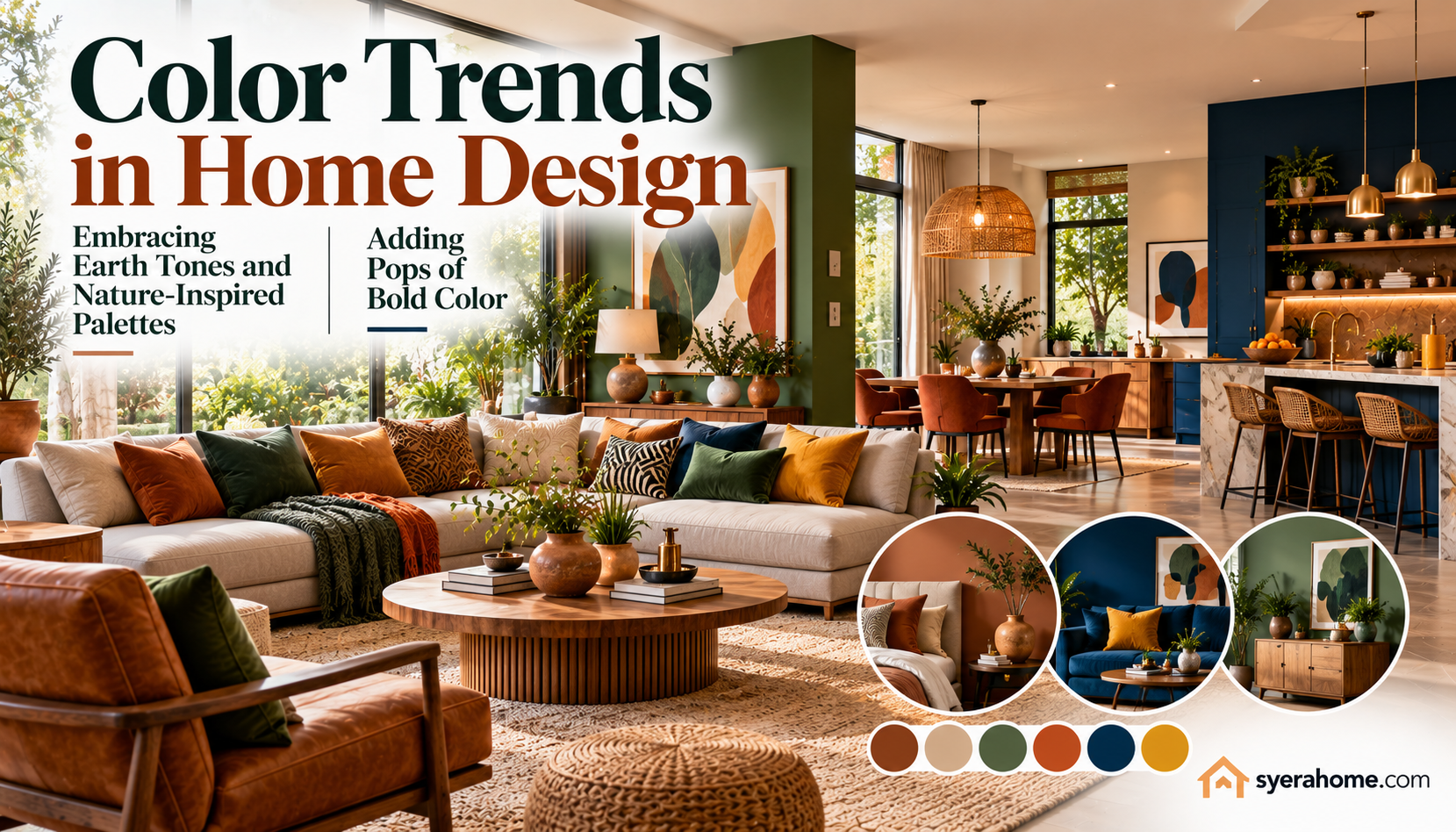
Earth tones are making a comeback in home design, with colors such as warm browns, soft greens, and terracotta becoming popular choices for walls, furniture, and decor. These nature-inspired palettes create a soothing and grounding environment, making the home feel more connected to the natural world.
These colors work particularly well in homes that incorporate natural materials like wood and stone, creating a harmonious blend of color and texture. Whether used in the living room, bedroom, or kitchen, earth tones add warmth and comfort to any space.
Adding Pops of Bold Color
In contrast to the popularity of earth tones, bold and vibrant colors are being used to create statement pieces in the home. Deep blues, jewel tones, and bright accents are being incorporated into furniture, artwork, and textiles to add a touch of personality and flair to the space. These pops of color create a focal point in the room, drawing the eye and adding visual interest.
This trend encourages homeowners to experiment with color, using it as a tool to reflect their personal style and create a unique, eye-catching environment. Whether through a bold accent wall or colorful accessories, adding pops of color is an easy way to refresh the look of your home.
Small home design trends
 Maximizing Space with Multi-functional Furniture
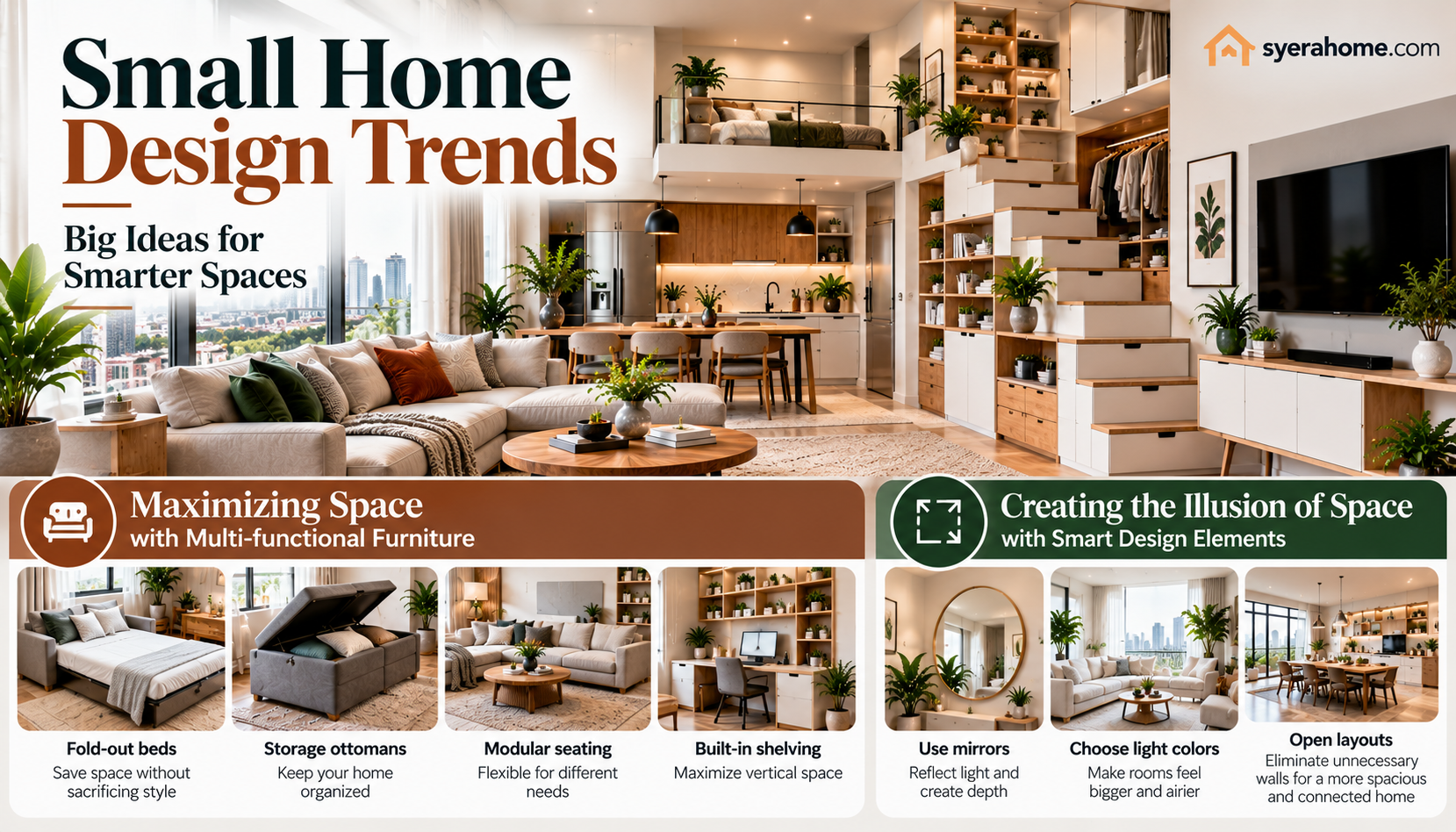
Small home design trends are all about maximizing space and making the most of every square foot. Multi-functional furniture is key to this approach, with pieces like fold-out beds, storage ottomans, and modular seating helping to save space without sacrificing style. These items allow homeowners to create a functional and stylish living environment, even in smaller homes or apartments.
In addition to furniture, clever storage solutions such as built-in shelving, under-bed storage, and wall-mounted cabinets help to keep the space organized and clutter-free. By using furniture and storage that serve multiple purposes, small homes can feel spacious and efficient.
Creating the Illusion of Space
One of the biggest challenges in small home design is making the space feel larger than it is. This can be achieved through the use of mirrors, light colors, and open layouts. Mirrors reflect light and create the illusion of depth, making rooms appear more spacious. Light colors, particularly whites and pastels, also help to create a sense of airiness and openness in small spaces.
In addition to these design elements, small homes can benefit from open floor plans that eliminate unnecessary walls and barriers. This creates a more fluid and open living environment, making the home feel larger and more connected.
Scandinavian home design trends
 Focusing on Minimalism and Functionality
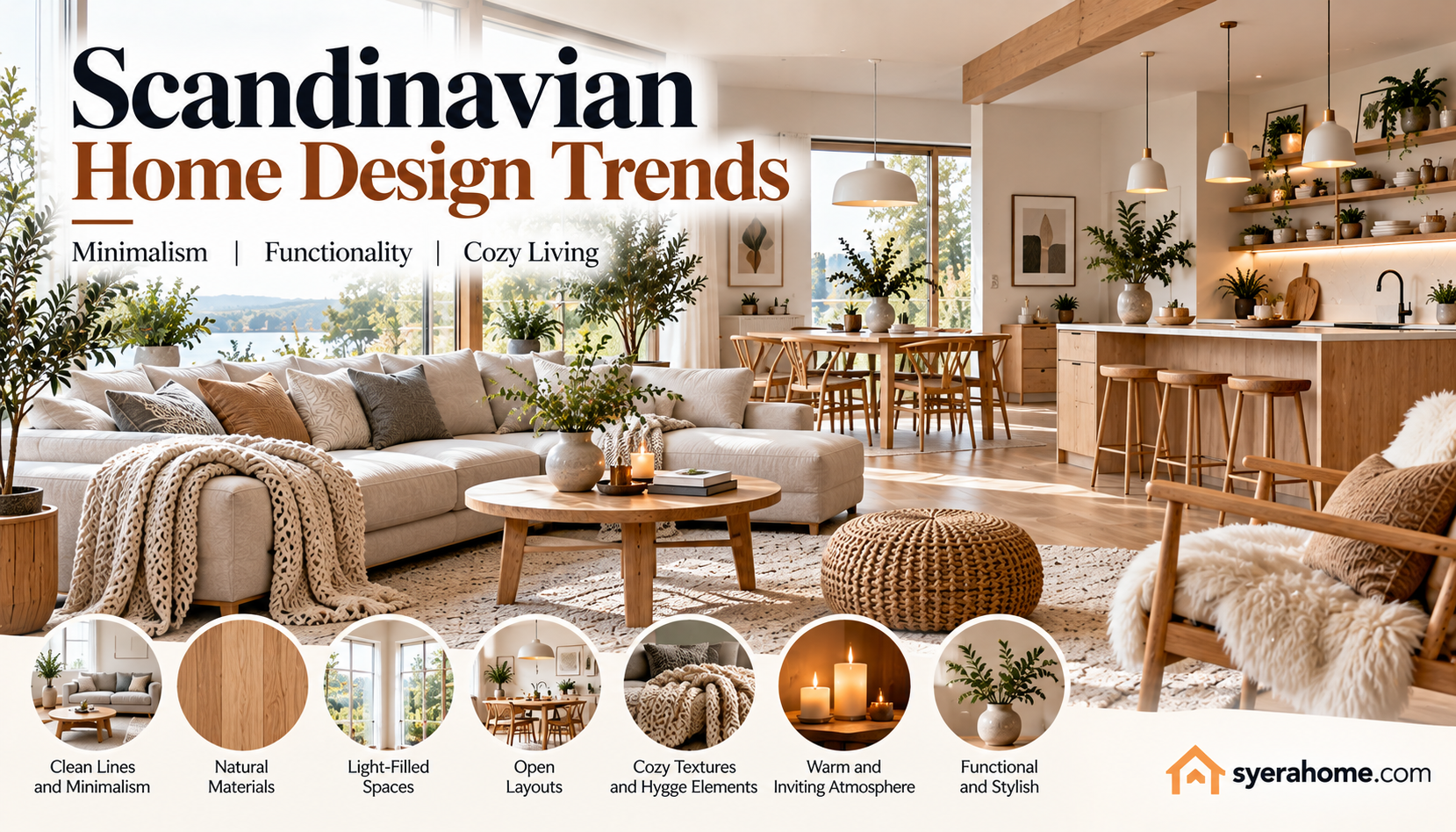
Scandinavian design is known for its minimalist approach and focus on functionality. This trend emphasizes clean lines, neutral color palettes, and natural materials like wood and wool. The goal is to create a simple, uncluttered living environment that feels calm and inviting.
Scandinavian homes often feature open floor plans, large windows, and light-filled spaces. The use of natural light is a key element in this design, helping to create a warm and welcoming atmosphere even in colder climates. This trend is perfect for those looking to create a serene and functional living space.
Incorporating Cozy Textures and Hygge Elements
In addition to its minimalist aesthetic, Scandinavian design is known for its emphasis on coziness and comfort, often referred to as “hygge.” This concept involves creating a warm and inviting atmosphere through the use of soft textiles, cozy lighting, and comfortable furniture. Wool blankets, sheepskin rugs, and plush cushions are common features in Scandinavian homes, adding a sense of warmth and comfort to the space.
This trend is all about creating a home that feels welcoming and relaxed, making it the perfect choice for those who want to create a cozy retreat from the hustle and bustle of everyday life.
Outdoor living space design trends
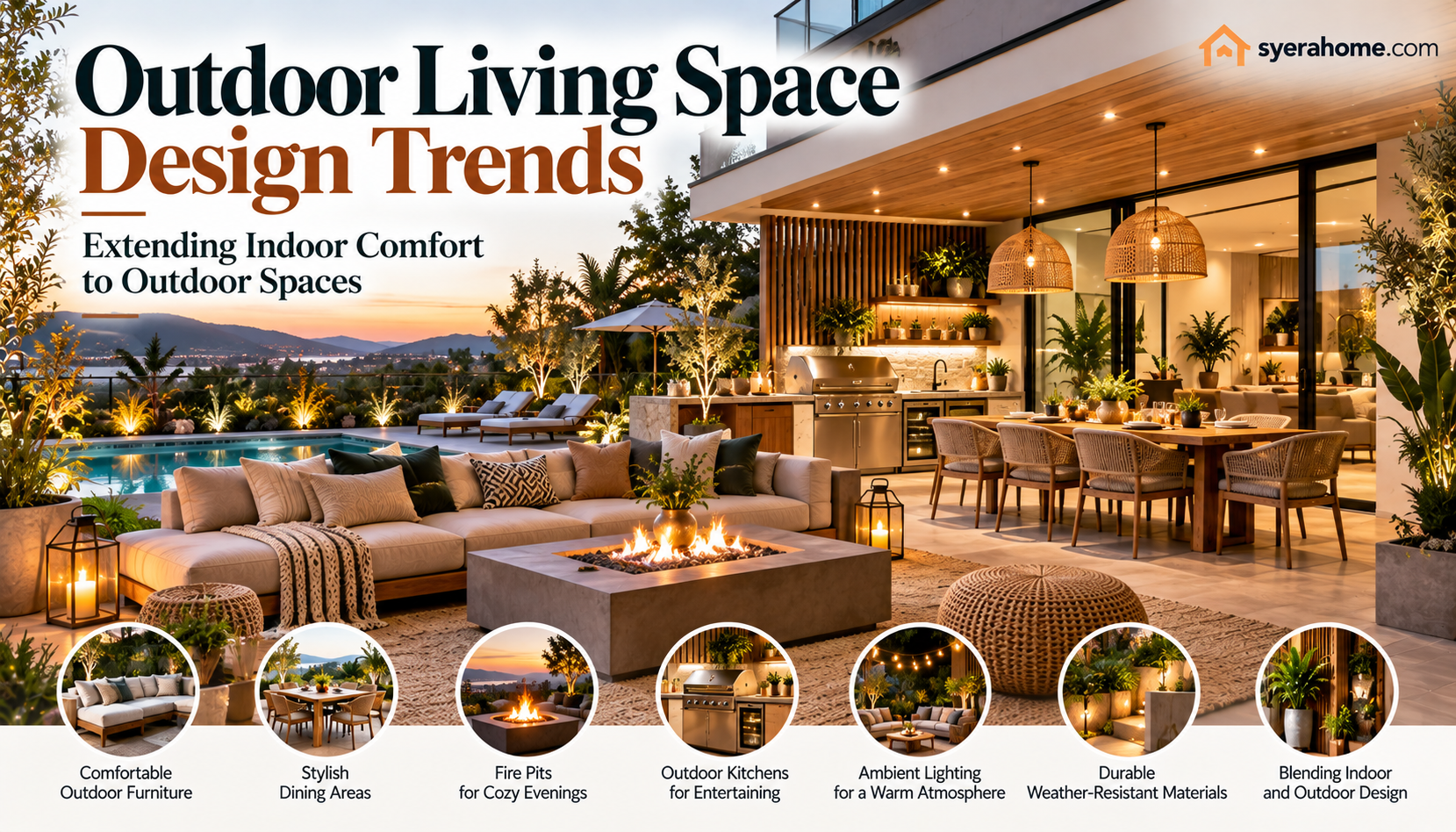 Extending Indoor Comfort to Outdoor Spaces
Outdoor living spaces are becoming an extension of the home, with furniture and decor that provide the same level of comfort as indoor spaces. From outdoor sofas and dining sets to fire pits and outdoor kitchens, homeowners are creating functional and stylish outdoor areas that can be enjoyed year-round. This trend encourages the use of durable, weather-resistant materials that can withstand the elements while maintaining a high level of comfort and style.
The goal is to create an outdoor environment that feels like an extension of the indoor living space, with similar design elements such as color schemes, textures, and furniture styles. This approach allows homeowners to make the most of their outdoor spaces, whether for entertaining guests or simply relaxing in the fresh air.
Incorporating Outdoor Lighting for Ambiance
Lighting plays a crucial role in outdoor living spaces, creating ambiance and extending the usability of the space into the evening. String lights, lanterns, and solar-powered lighting are popular choices for adding a warm, inviting glow to patios, gardens, and outdoor seating areas. These lighting solutions not only enhance the aesthetic appeal of the space but also provide practical illumination for nighttime use.
In addition to ambient lighting, homeowners are also incorporating task lighting for specific outdoor areas such as kitchens or dining spaces. This ensures that the outdoor space is not only beautiful but also functional, allowing for a seamless transition between indoor and outdoor living.
Kitchen design trends 2026
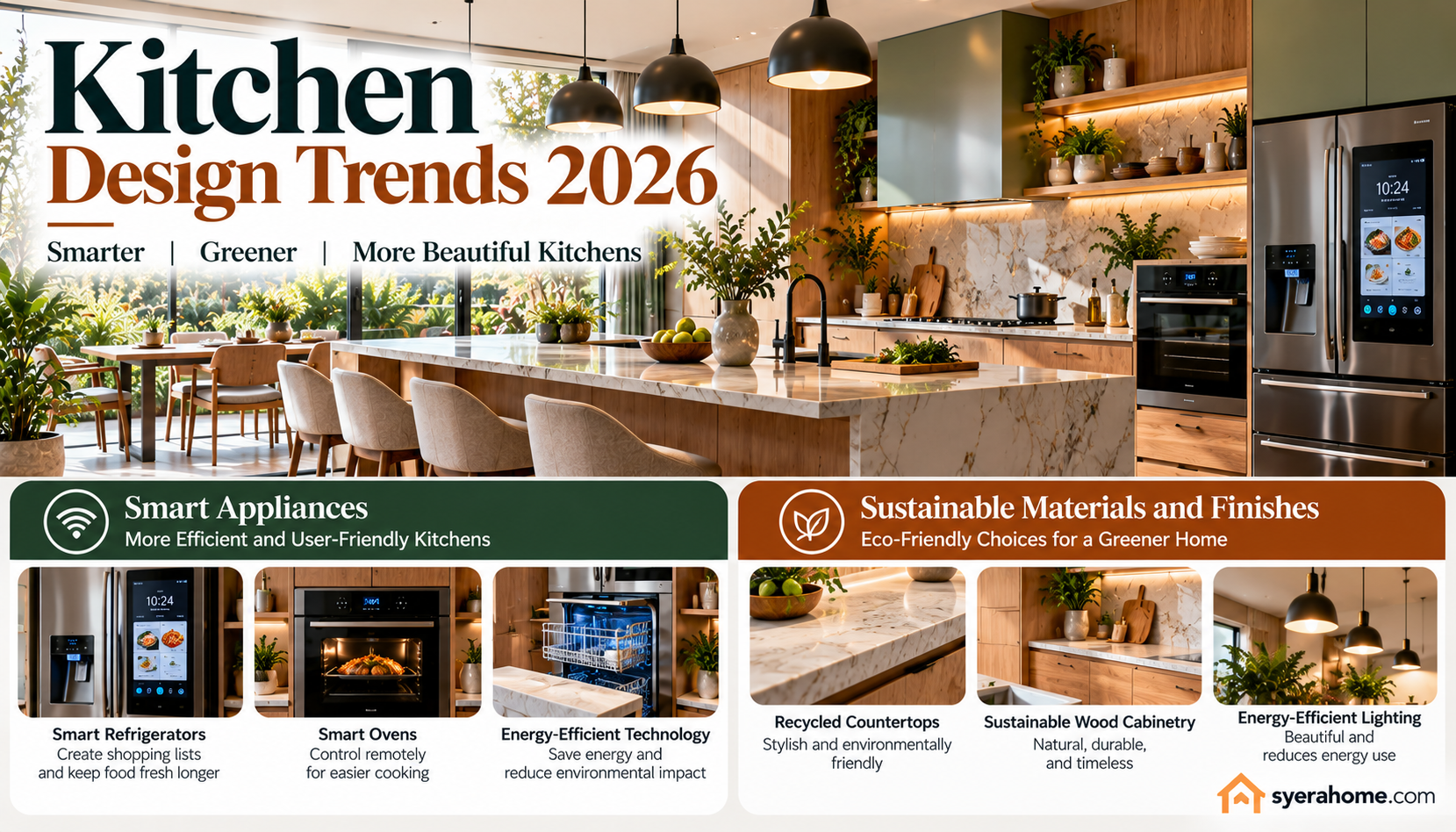 Incorporating Smart Appliances
In 2024, smart appliances are leading the way in kitchen design. From refrigerators that can create shopping lists to ovens that can be controlled remotely, technology is making kitchens more efficient and user-friendly. These appliances are designed to streamline meal preparation and cooking, making it easier than ever to create delicious meals at home.
Smart kitchen technology is also designed to be energy-efficient, helping homeowners reduce their environmental impact while enjoying the convenience of modern appliances. This trend is all about making kitchens smarter, more efficient, and more connected to the rest of the home.
Focusing on Sustainable Materials and Finishes
Sustainability is a key consideration in kitchen design for 2024, with homeowners opting for eco-friendly materials and finishes. Recycled countertops, sustainable wood cabinetry, and energy-efficient lighting are becoming popular choices for those looking to create a green kitchen. These materials not only reduce the environmental impact of the kitchen but also create a unique and stylish look.
The use of natural materials such as stone, wood, and metal also adds texture and warmth to the kitchen, creating a space that feels both modern and timeless. This trend is all about combining sustainability with style to create a kitchen that is functional, eco-friendly, and beautiful.
Bathroom design trends 2026
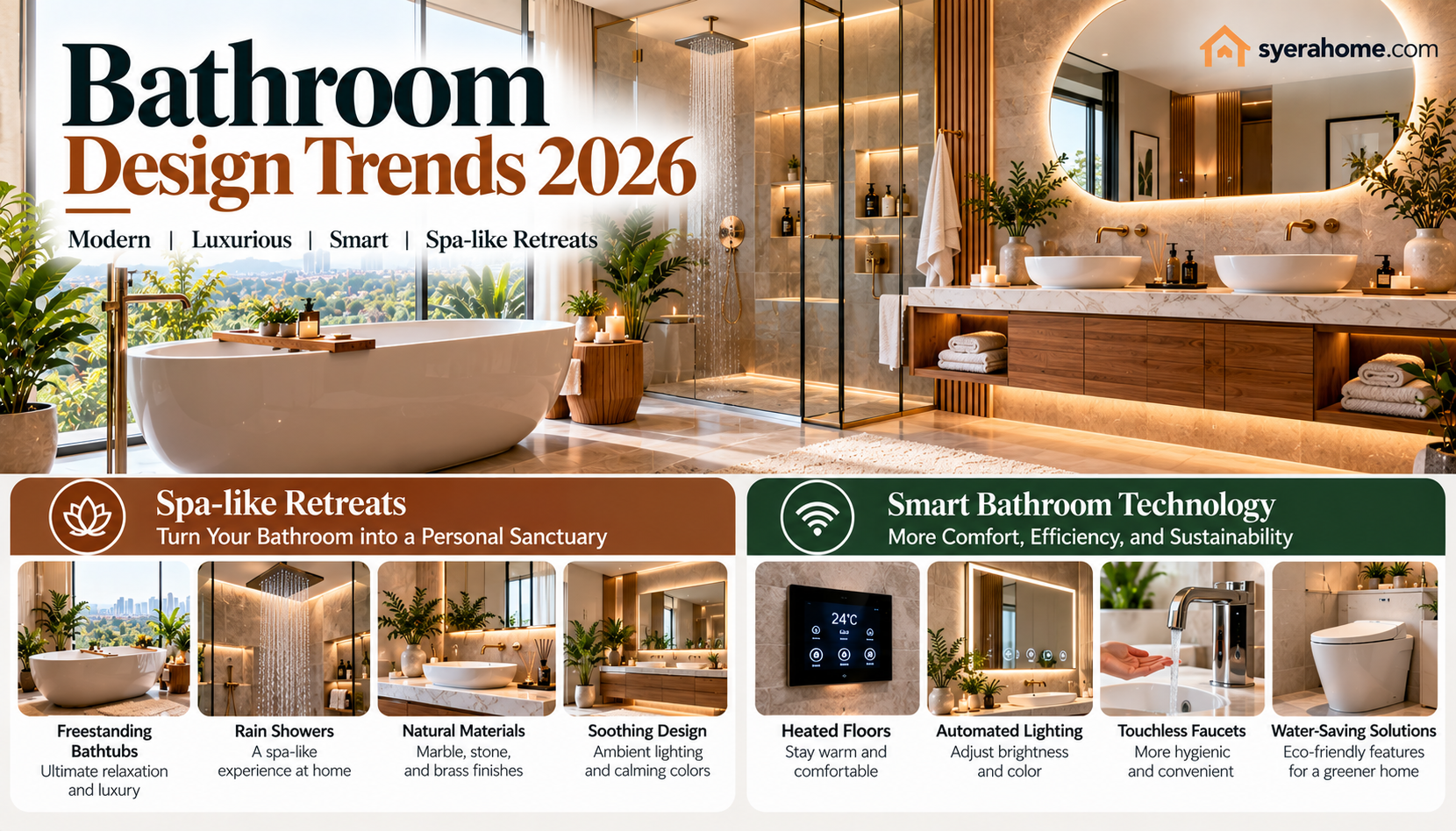 Creating Spa-like Retreats
In 2024, bathrooms are becoming more than just functional spaces—they are being transformed into spa-like retreats. High-end finishes such as marble, stone, and brass are being used to create luxurious, hotel-like bathrooms that offer a sense of relaxation and indulgence. Freestanding bathtubs, rain showers, and large mirrors are key features of this trend, creating a serene and tranquil environment.
The focus is on creating a bathroom that feels like a personal sanctuary, offering a place to unwind and recharge. Ambient lighting, natural materials, and soothing color palettes further enhance the spa-like atmosphere, making the bathroom a true retreat within the home.
Incorporating Smart Bathroom Technology
Smart technology is making its way into the bathroom, with features such as heated floors, automated lighting, and touchless faucets becoming popular choices. These technologies not only add a touch of luxury to the bathroom but also enhance its functionality, making it more user-friendly and efficient.
In addition to smart fixtures, bathrooms are also incorporating energy-efficient lighting and water-saving technologies to reduce environmental impact. This trend is all about creating a bathroom that is both luxurious and eco-friendly, combining the best of modern technology with timeless design.
Eco-friendly home design trends
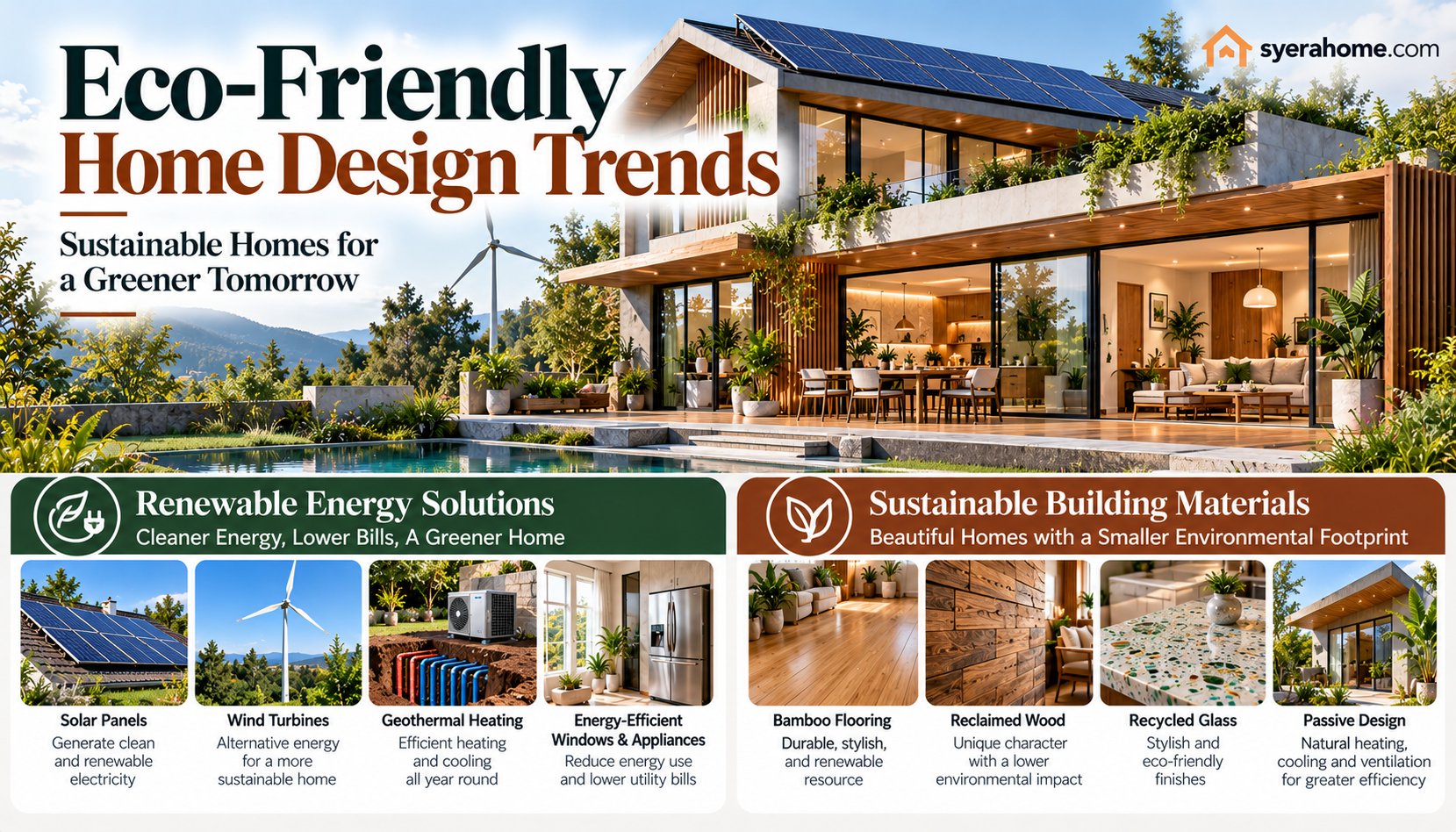 Incorporating Renewable Energy Solutions
Eco-friendly home design is all about sustainability and reducing the environmental impact of the home. One of the key trends is the use of renewable energy solutions such as solar panels, wind turbines, and geothermal heating systems. These technologies allow homeowners to reduce their reliance on fossil fuels and lower their energy bills, making their homes more eco-friendly.
In addition to renewable energy, homeowners are also incorporating energy-efficient windows, insulation, and appliances to further reduce their environmental footprint. This trend is about creating homes that are not only stylish and functional but also sustainable and environmentally responsible.
Using Sustainable Building Materials
Sustainable building materials are becoming increasingly popular in home design, with options such as bamboo flooring, reclaimed wood, and recycled glass being used to create eco-friendly homes. These materials are not only environmentally friendly but also add a unique and stylish look to the home.
The use of sustainable materials is often paired with energy-efficient design features such as passive heating and cooling, which help to reduce the home’s energy consumption. This trend is all about creating homes that are both beautiful and sustainable, ensuring that they have a minimal impact on the environment.
In conclusion, home design trends are constantly evolving, with new innovations and ideas shaping the way we live. Whether you’re looking to update your living space with modern technology or create a sustainable, eco-friendly home, these trends offer endless possibilities for transforming your space. As a professional home designer, I can help you navigate these trends and find the perfect design solutions for your home. Contact me today to start your journey toward a more beautiful, functional, and sustainable living space.
Ready to transform your home with the latest design trends? Our expert team is here to help you bring your vision to life. From smart home technology to luxury finishes and sustainable materials, we offer a range of design solutions tailored to your needs. Don’t wait—take the first step toward creating your dream home today. Contact us for a consultation and discover how we can turn your home into a masterpiece of modern design.
F.A.Q: Home Design Trends
What are the top home design trends for 2024?
The top home design trends for 2024 include sustainable design, smart home technology, open floor plans, and the use of natural materials like wood and stone.
How can I incorporate sustainable design into my home?
Incorporating sustainable design involves using eco-friendly materials, energy-efficient appliances, solar panels, and implementing water-saving technologies.
What are the most popular color trends in home design?
Popular color trends include earth tones like terracotta, olive green, and beige, as well as bold accents such as deep blues and jewel tones for contrast.
How can I make my small home look bigger?
Maximizing light, using multi-functional furniture, and incorporating mirrors are effective ways to make a small home look bigger. Opt for light, neutral color schemes as well.
What is the trend in kitchen design for 2024?
Kitchen design trends for 2024 focus on smart appliances, open shelving, sustainable materials, and combining bold colors with natural textures for a balanced look.
What is the current trend in bathroom design?
Current bathroom trends include spa-like retreats, smart bathroom technologies, and the use of natural materials like stone and marble to create luxurious environments.
How do I create a minimalist home design?
A minimalist home design focuses on clean lines, neutral color palettes, and decluttered spaces. Use functional furniture and avoid unnecessary décor for simplicity.
What is the latest trend in outdoor living spaces?
The latest trend in outdoor living is creating seamless indoor-outdoor transitions with outdoor kitchens, fire pits, and comfortable furniture for year-round enjoyment.
What are the best materials for modern home design?
Natural materials like wood, stone, and metal are popular for modern home design. These materials are often paired with glass and sustainable options for an eco-friendly home.
What is the trend for luxury home design?
Luxury home design in 2024 focuses on high-end materials, custom-built furniture, and the creation of spa-like bathrooms and elegant, smart home features.
What are the benefits of an open floor plan?
An open floor plan maximizes space, improves natural light flow, and creates a versatile layout for entertaining and family living. It also provides better connectivity between rooms.
What are the key features of Scandinavian home design?
Scandinavian home design emphasizes simplicity, functionality, and the use of natural materials. Light color palettes, cozy textures, and minimalistic décor are essential elements.
How can I incorporate smart home technology into my design?
Incorporate smart home technology by installing voice-activated systems, smart lighting, security cameras, and automated thermostats for increased convenience and energy savings.
What are the current trends in home interior design?
Home interior design trends focus on bold colors, unique textures, multi-functional spaces, and the integration of vintage pieces with contemporary furniture for a personalized look.
How can I create an eco-friendly home on a budget?
To create an eco-friendly home on a budget, use recycled materials, install energy-efficient appliances, and make small changes like switching to LED lighting and using low-flow fixtures.


